
Hard Wax vs. Soft Wax: A Complete Guide for Estheticians

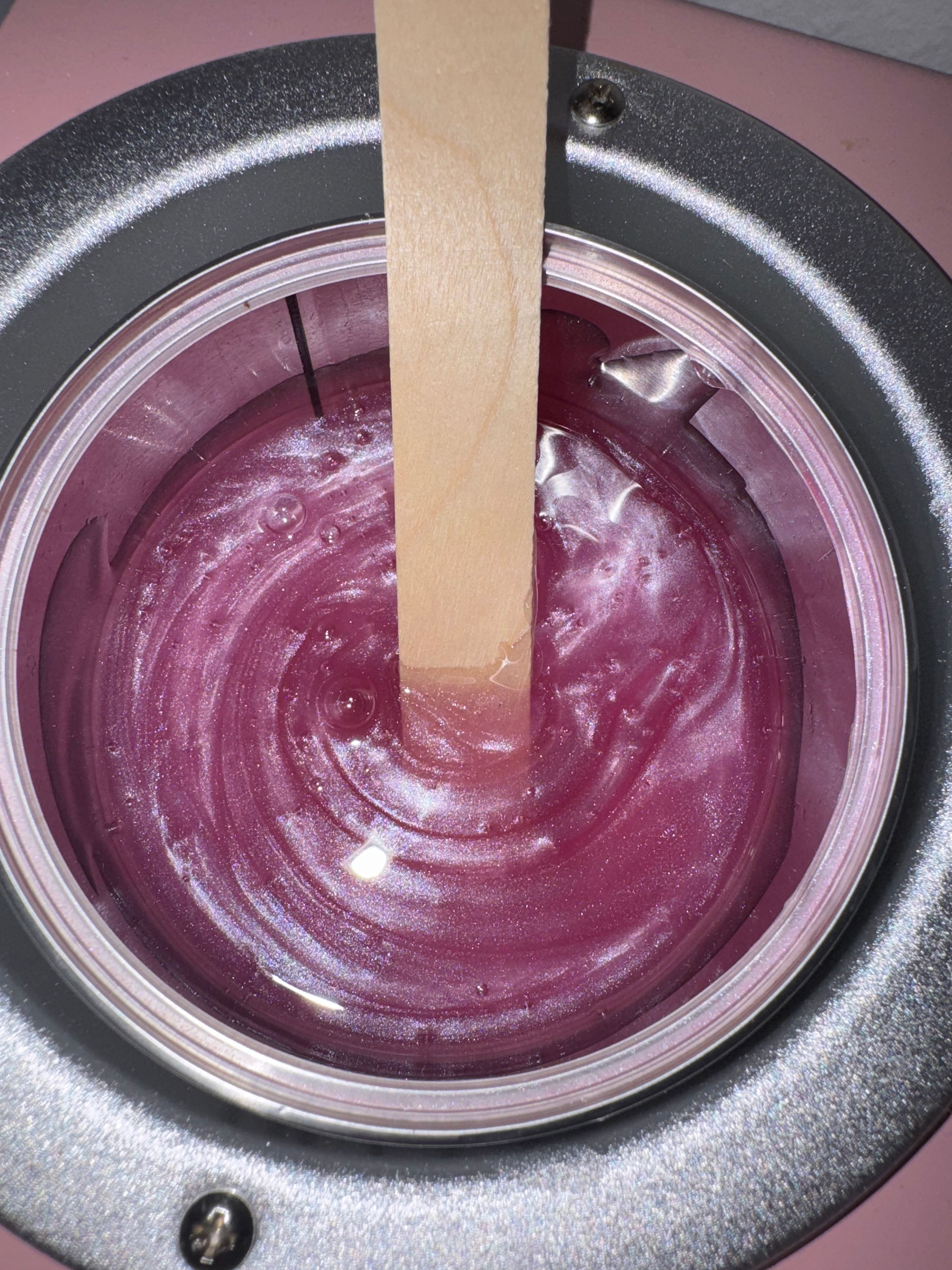
Soft Wax 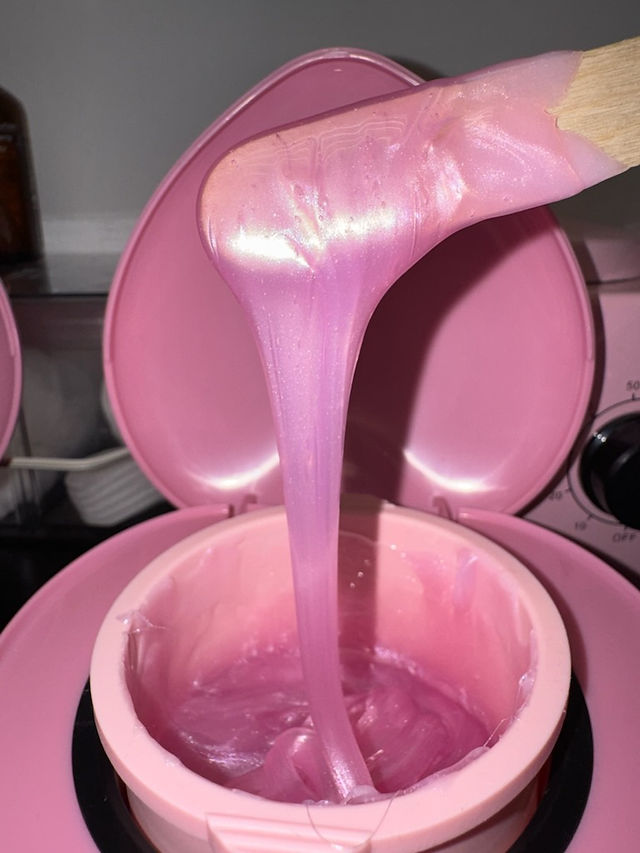
Pink Goddess hard wax 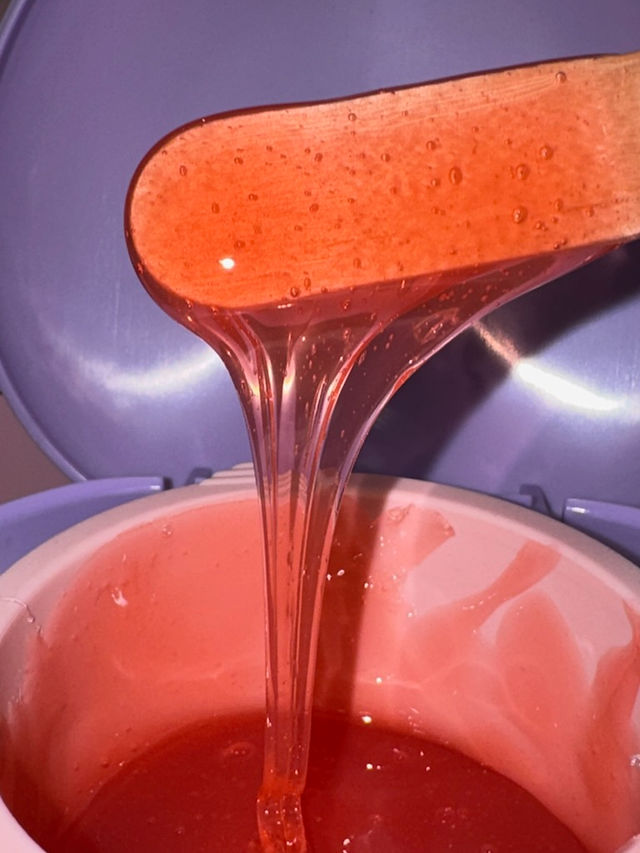
Jelly Belly Hard Wax
Should You Use Hard Wax or Soft Wax?
Every esthetician asks this question at some point. Hard wax vs soft wax is not a debate with one correct answer. The right choice depends on the treatment area, the client's hair texture, and the result you want to deliver.
Choosing the wrong wax costs you time, comfort, and repeat bookings. Choosing the right one builds the kind of clean, reliable service that keeps clients coming back. This guide breaks down both formulas so you know exactly when to reach for each one.
What Is Hard Wax?
Hard wax is a single-component wax that hardens as it cools on the skin. You apply it in a thick layer, let it set, then remove it by lifting an edge and pulling it off in one piece. No strips required.
Hard wax adheres to the hair, not the skin. As the wax cools, it shrinks and grips the hair shaft tightly while releasing from the skin's surface. This is often called the shrink-wrap effect, and it is the reason hard wax pulls hair from the root with less tugging on live skin.
Common ingredients: Resins, beeswax or synthetic wax bases, and oils that keep the formula flexible enough to remove cleanly. Formula quality varies widely between brands, which is why consistency matters more than price when you are choosing a professional line.
Benefits of hard wax:
Grips hair without gripping skin
Better for sensitive or thin skin
Handles coarse or stubborn hair well
Can go over the same area more than once without irritation
No strips, less material waste per service
Limitations of hard wax:
Slower application than strip wax on large areas
Costs more per service due to thicker application
Requires practice to get consistent thickness and clean pulls
What Is Soft Wax (Strip Wax)?
Soft wax, also called strip wax, is a thin layer of wax applied with a spatula and removed using a cloth or paper strip. You press the strip onto the wax, smooth it in the direction of hair growth, then pull it off against the growth direction.
Because soft wax stays tacky and does not set hard, it needs the strip to create enough pulling force to lift hair from the skin. This means it grips both the hair and the skin surface, which is why soft wax services can feel more intense on sensitive areas.
Benefits of soft wax:
Faster application across large areas
Lower product cost per square inch
Efficient for fine, short hair
Well suited to high-volume services like full legs or arms
Drawbacks of soft wax:
Adheres to skin as well as hair, increasing irritation risk
Not ideal for repeated passes over the same spot
Requires strips, which adds material cost and waste
Higher risk of lifting skin on thin or reactive areas
Common misconception: Many new estheticians assume soft wax is always faster and therefore always better for business. Speed only helps you if the client leaves with clean results and no irritation. A fast service that causes breakouts or redness costs you the return visit.
Hard Wax vs. Soft Wax: Side-by-Side Comparison
Factor | Hard Wax | Soft Wax (Strip Wax) |
Application method | Thick layer, no strip | Thin layer, strip required |
Removal process | Peel off in one piece | Pull with cloth or paper strip |
Pain level | Lower, grips hair not skin | Higher, grips hair and skin |
Hair length required | Works on shorter hair | Needs slightly longer hair |
Sensitive skin compatibility | High | Moderate |
Speed | Slower per area | Faster per area |
Cost per service | Higher (thicker application) | Lower |
Waste | Minimal, no strips | Higher, strips are single-use |
Best body areas | Face, bikini, underarms | Legs, arms, back |
Client comfort | Generally higher | Generally lower on sensitive zones |
Learning curve | Moderate, technique-dependent | Lower, more forgiving |

When Should You Use Hard Wax?
Hard wax is the standard choice for sensitive and detailed areas where skin comfort and precision matter most.
Brazilian and bikini services. This is the most sensitive skin most estheticians work on. Hard wax's grip-the-hair, release-the-skin action reduces the tugging that causes bruising and irritation in this area.
Underarms. Underarm skin is thin and the hair grows in multiple directions. Hard wax lets you work in small sections and go over stubborn spots without re-irritating the same skin twice.
Face, nose, and ears. These areas have fine bone structure and thin skin close to the surface. Strip wax on the face increases the risk of skin lifting. Hard wax gives you control in small, precise sections.
Sensitive skin, any area. If a client tells you their skin reacts easily, default to hard wax. The reduced skin adhesion makes a measurable difference in post-service redness.
Coarse or dense hair. Hard wax's grip strength handles thick, coarse hair more reliably than soft wax, which can break hair at the surface instead of pulling it from the root.
When Should You Use Soft Wax?
Soft wax earns its place in your treatment room on large, less sensitive areas where speed and coverage matter.
Legs and arms. These areas cover more surface with fewer nerve endings than the face or bikini zone. Soft wax's speed advantage shows up clearly here.
Back and chest. Larger, flatter areas with coarser skin texture tolerate the strip removal process well, and the faster application keeps service time reasonable.
Fine hair. Strip wax handles fine, short hair effectively because it does not need the same grip strength hard wax relies on for coarse hair.
High-volume days. If your schedule is full and you are running back-to-back leg or arm waxes, soft wax keeps your service times predictable.
What Professional Estheticians Prefer and Why
Ask experienced estheticians which wax they reach for on sensitive services, and most will say hard wax. The reasons come up again and again in treatment rooms:
Less skin lifting. Hard wax's release from the skin surface reduces the chance of pulling live skin along with the hair.
Better precision. Working in small hardened sections gives you more control over exact hairlines and detail work.
Cleaner results. Less residue left behind means less time spent on post-wax cleanup.
Reduced irritation. Clients with sensitive skin report less redness and discomfort after hard wax services.
Repeat client satisfaction. A comfortable service experience is one of the biggest factors in whether a client rebooks.
None of this means soft wax has no place in a professional practice. Most established estheticians run both formulas and match the wax to the area, not the other way around.

How to Choose the Right Wax for Your Practice
Use these factors to decide what belongs in your treatment room.
Service menu. If your menu leans toward Brazilian, bikini, and facial waxing, invest in a strong hard wax line first. If you offer full-body waxing packages, you need both.
Client skin types. A practice serving a lot of sensitive-skin clients benefits from leading with hard wax across more areas, even ones where soft wax is standard.
Hair texture. Coarse-hair clients get better results from hard wax regardless of area. Fine-hair clients on large areas do well with soft wax.
Budget. Hard wax costs more per service due to thicker application, but the reduced irritation and repeat business often offset that cost over time.
Treatment speed. If your schedule depends on fast turnaround for large-area services, soft wax keeps you on time.
Climate. Humidity and temperature affect wax set time and consistency. Test any new formula in your actual treatment room conditions before committing to it for high-volume days.
Experience level. New estheticians often find soft wax more forgiving to learn first, then add hard wax technique as their precision improves. Experienced providers usually keep both formulas stocked and switch by area.
The Bottom Line
Hard wax and soft wax are not competitors. They are two tools that solve different problems. Hard wax gives you control and comfort on sensitive, detailed areas. Soft wax gives you speed and coverage on larger surfaces. The estheticians who get the best results are the ones who match the formula to the area every time, not the ones who pick one wax and use it for everything.
Browse Belvia's professional hard wax collection and find the formula built for your treatment room. Whether you are performing Brazilian waxes, facial waxing, or full body services, Belvia makes premium hard wax formulated for professional results: Jelly Belly, Shimmer Lux, Pink Goddess, and Cloud Nine.
FAQ Section
1. Is hard wax better than soft wax? Neither formula is universally better. Hard wax works best on sensitive or detailed areas like the bikini line, face, and underarms. Soft wax works best on larger areas like legs and arms where speed matters more than precision.
2. Does hard wax hurt less than soft wax? Most clients report less discomfort with hard wax because it grips the hair rather than the skin, reducing the pulling sensation on live skin during removal.
3. Can you use hard wax on legs? Yes, but it takes longer than soft wax because of the thicker application and smaller working sections. Many estheticians use soft wax on legs to keep service time efficient.
4. What wax do professional estheticians use for Brazilian waxing? Hard wax is the standard choice for Brazilian and bikini services due to its reduced skin adhesion and better handling of sensitive skin.
5. Is soft wax cheaper than hard wax? Soft wax generally costs less per service because it uses a thinner layer of product. Hard wax costs more upfront but often reduces re-strips and client irritation, which can offset the cost difference over time.
6. Can you mix hard wax and soft wax in one service? Yes. Many estheticians use hard wax on sensitive zones like the bikini line and underarms, then switch to soft wax for legs or arms in the same appointment.
7. Why does hard wax not need strips? Hard wax hardens as it cools, which lets you remove it by lifting an edge and peeling it off in one piece without a separate strip.
8. What is the shrink-wrap effect in waxing? It describes how hard wax contracts around the hair shaft as it cools, tightening its grip on the hair while releasing from the skin surface underneath.
9. Is hard wax good for sensitive skin? Yes. Hard wax's lower skin adhesion makes it a common recommendation for clients with sensitive or reactive skin.
10. How do I know which wax to stock first for my practice? Start with your service menu. If bikini, Brazilian, and facial waxing make up most of your bookings, prioritize a hard wax line. If you offer full-body services, plan to stock both hard and soft wax.
Comments